
Isolation, Responsibility, and Neglect
The Turn of the ScrewThis flow traces how the employer’s absence and the Governess’s isolation turn delegated care into a crisis with no effective adult oversight.
increasing Bearing strength in each event
 decreasing
Bearing strength in each eventdecreasingA Favorable Offer
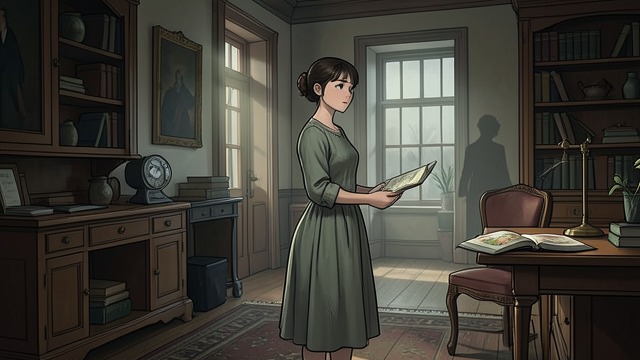
Responsibility Delegated
A Guardian’s Problem
The Children’s Uncle presents caring for the children as a burden he cannot manage himself.
A Young Woman’s Acceptance
The Governess takes the position despite her inexperience and the prospect of loneliness.
The arrangement places substantial responsibility on a young employee while protecting the employer from direct involvement.
The Employer Withdraws
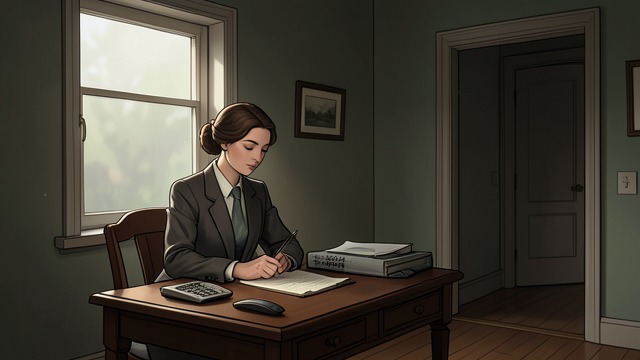
Distance by Design
A Brief Instruction
The Children’s Uncle sends the school letter with an instruction to handle it and not report back.
No Routine Support
He remains absent while the Governess confronts the children’s care, schooling, and household tensions.
The distance may look like trust, but it also leaves no dependable adult channel for difficult decisions.
Mrs. Grose as Sole Ally
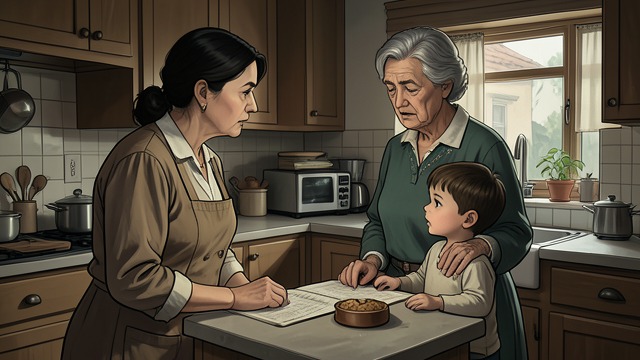
A Limited Partnership
Practical Support
The Governess relies on Mrs. Grose for household knowledge and emotional reassurance.
Unequal Understanding
Mrs. Grose does not share the Governess’s visions, but is asked to accept her explanations and assist with her plans.
The alliance mitigates isolation without replacing independent oversight or a second source of evidence.
A Guardian Summoned Too Late
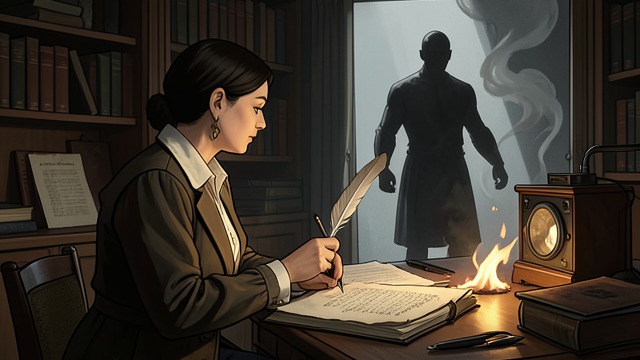
The Missing Appeal
A Decision to Contact Him
The Governess finally attempts to ask the Children’s Uncle for an interview.
A Failed Channel
Miles intercepts and burns the letter, and no replacement message is sent.
The household’s earlier dependence on silence leaves the crisis vulnerable to a single concealed act.
Care Without Oversight
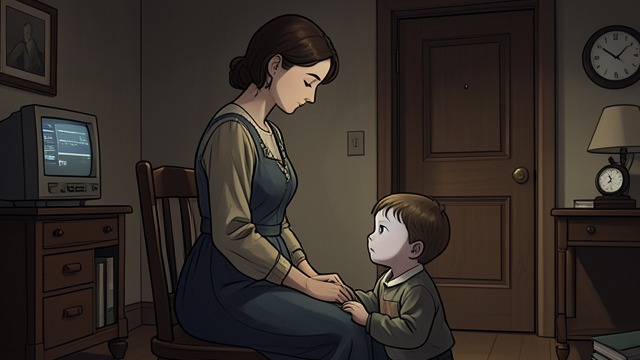
The Final Isolation
One Adult and One Child
The Governess remains alone with Miles after Mrs. Grose takes Flora away.
A Crisis Unobserved
No guardian or outside authority arrives before the final confrontation and Miles’s death.
The ending exposes the danger of entrusting vulnerable children to a lone caretaker whose judgments cannot be independently tested.
At the London interview
Before the Governess’s first week is complete
After the first sightings
After the Governess decides to write
After Mrs. Grose and Flora leave Bly
